The internet, a sprawling digital landscape, has spawned its own unique lexicon, a vibrant tapestry of slang terms, acronyms, and abbreviations that have seeped into everyday conversations. Moreover, as online language continues to evolve, it becomes clear that internet slang is more than just words — it has a significant cultural impact, shaping how people communicate in the digital age.
From Classic to Contemporary: A Timeline of Internet Slang
The early days of the internet gave birth to classics like “LOL,” “BRB,” and “IDK.” These acronyms, born out of the need for efficient communication in chat rooms and forums, quickly became part of the digital vernacular.
As social media platforms rose to prominence, a new wave of slang emerged, often reflecting the unique cultures and trends of each platform. For example, terms like “sus,” “simp,” and “cheugy” have become synonymous with Gen Z internet culture, while phrases like “Bussin'” and “Vibes” have gained widespread popularity across various platforms.
The evolution of internet slang mirrors the broader trajectory of the digital age. As technology advanced and online communities formed, a unique language emerged to facilitate communication and express cultural nuances. Here’s a brief timeline of key internet slang terms:
Early Internet Era (1990s-2000s)
- LOL: Laughing out loud (one of the earliest and most enduring slang terms)
- BRB: Be right back
- IDK: I don’t know
- OMG: Oh my God
- TTYL: Talk to you later
Rise of Social Media (2000s-2010s)
- AF: As f*ck (used as an intensifier)
- TBH: To be honest
- FTW: For the win
- GOAT: Greatest of all time
- WFH: Working from home
Gen Z Slang (2010s-present)
- Sus: Suspicious
- Simp: A man who does too much for a woman
- Cheugy: Outdated or cringe-worthy
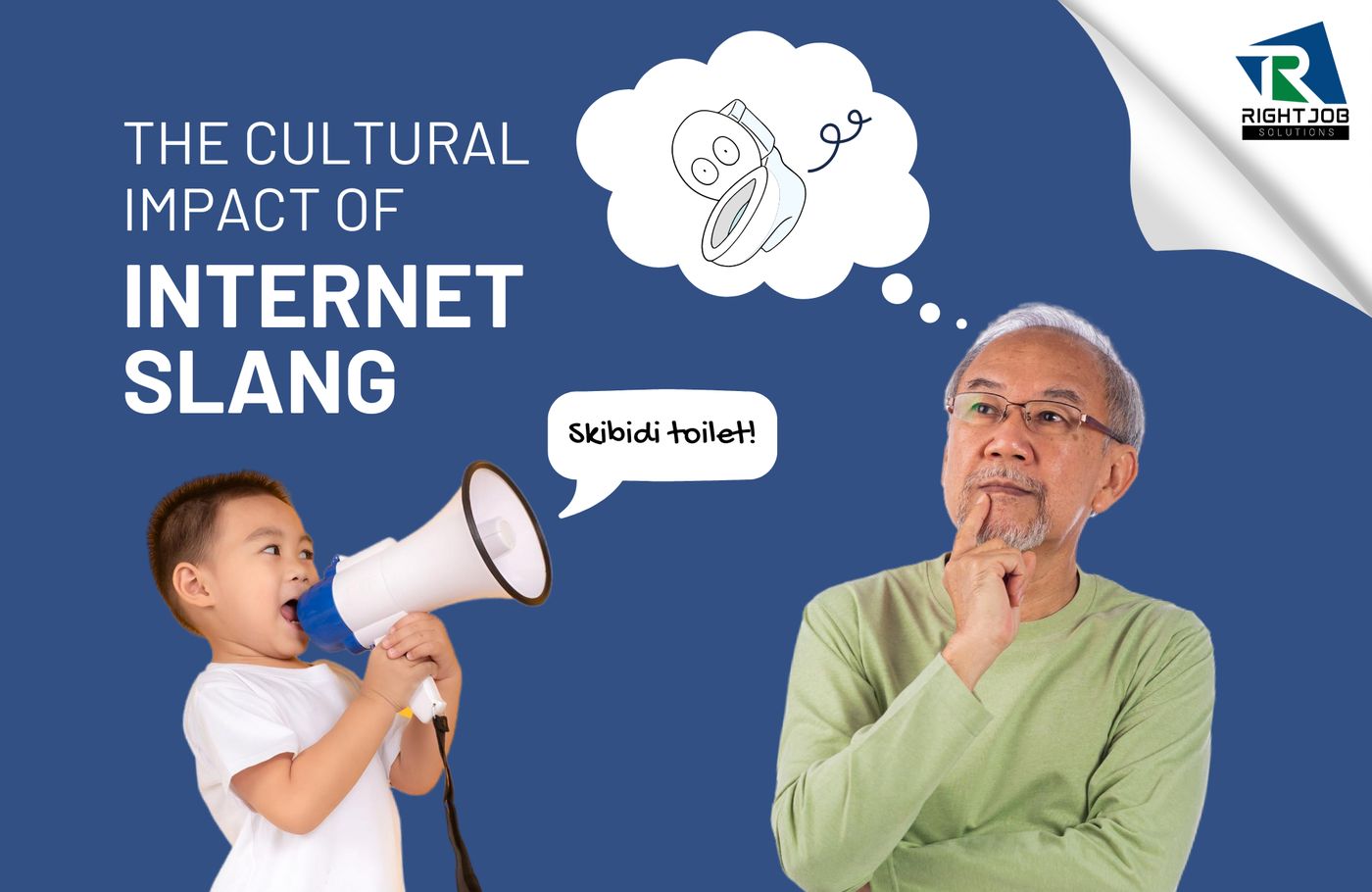
- Skibidi toilet: A repetitive dance meme
- Cap: A lie or exaggeration
- Vibes: Atmosphere or energy
- Low-key: Casual, informal
- Flex: To show off or boast
- Drip: Style or fashion sense
- Bussin’: Really good
The Cultural Significance of Internet Slang
Beyond mere linguistic quirks, internet slang serves as a form of social identity and cultural expression. By using specific terms, individuals can connect with like-minded people and signal their membership in particular online communities.
Moreover, internet slang often reflects broader cultural trends and social commentary. For instance, the rise of the term “simp” can be seen as a critique of certain behaviors and societal expectations.
The Future of Internet Language
As technology continues to evolve and new trends emerge, internet slang will undoubtedly adapt. New terms will be coined, and older ones may fall out of use. However, the underlying principles of language and communication will remain constant.
The internet, with its global reach and diverse user base, has become a melting pot for language and culture. Internet slang is a testament to the creativity, adaptability, and interconnectedness of online communities. As the digital landscape continues to evolve, so too will the language that shapes it.
Want to master the language of the internet while ensuring your communication is clear and professional?
Understanding slang is key to reaching diverse audiences, including professionals like Doc Kulot, empowering health through digital platforms, who expertly navigate online communication.
Slang plays a crucial role as the foundation of Memes and viral content, the architects of online culture, driving massive shifts in how we communicate.
While embracing informal language, always ensure your communication remains consistent with your core brand identity and the Symbolism behind the logo that represents your company.
The evolving nature of slang and language is constantly used in the ongoing effort of Unmasking the truth and combating misinformation online across various social platforms.
In need of digital marketing but don’t know where to start? We offer a myriad of services from website development to social media management. Contact us today for a FREE Consultation!