

virtual assistant data security is a practical business question, not a job-title exercise. A virtual assistant can be trusted with important work without being given every password in the business. The relevant question is whether the role, systems, and controls are designed responsibly. Broad shared credentials may feel convenient in the moment, but they create avoidable uncertainty later.
Quick Answer
Virtual assistants can work securely with customer data and business systems when access is role-based, individual accounts are used, MFA is enabled, sensitive tasks have escalation rules, and offboarding is documented. Security comes from the operating process, not from a promise that any person or tool is risk-free.
TLDR
- Security depends on role design, access controls, and review—not whether support is remote.
- Grant individual, least-privilege accounts and require MFA wherever available.
- Maintain an access register and review it when duties change.
- Use a documented offboarding checklist to remove access and recover business information.
What this decision really involves
A VA becomes a security risk when the business hands over broad access without knowing why it is needed, who approved it, or how it will be removed. The same weakness can exist with an employee, contractor, or agency. Remote work makes disciplined access design more visible; it does not make weak controls inevitable.
Start by mapping the data and tools required for the role. Customer records, financial systems, advertising accounts, and shared drives should not automatically travel together. Each permission should support a named responsibility.
Three work lanes to assess
- Give access only to the tools and information needed for the agreed lane of work.
- Use individual accounts, password-management practices, and MFA instead of shared credentials or informal workarounds.
- Review access when duties change, and remove it promptly during role changes or offboarding.
Treat access as part of job design, not as an afterthought. A well-scoped assistant should not need unrestricted access to every folder or account. The more deliberate the access model, the easier it is for both the owner and the assistant to work confidently. For that reason, a written virtual assistant data security brief is a better starting point than a rate card, a tool list, or a rushed request to fill every gap at once.
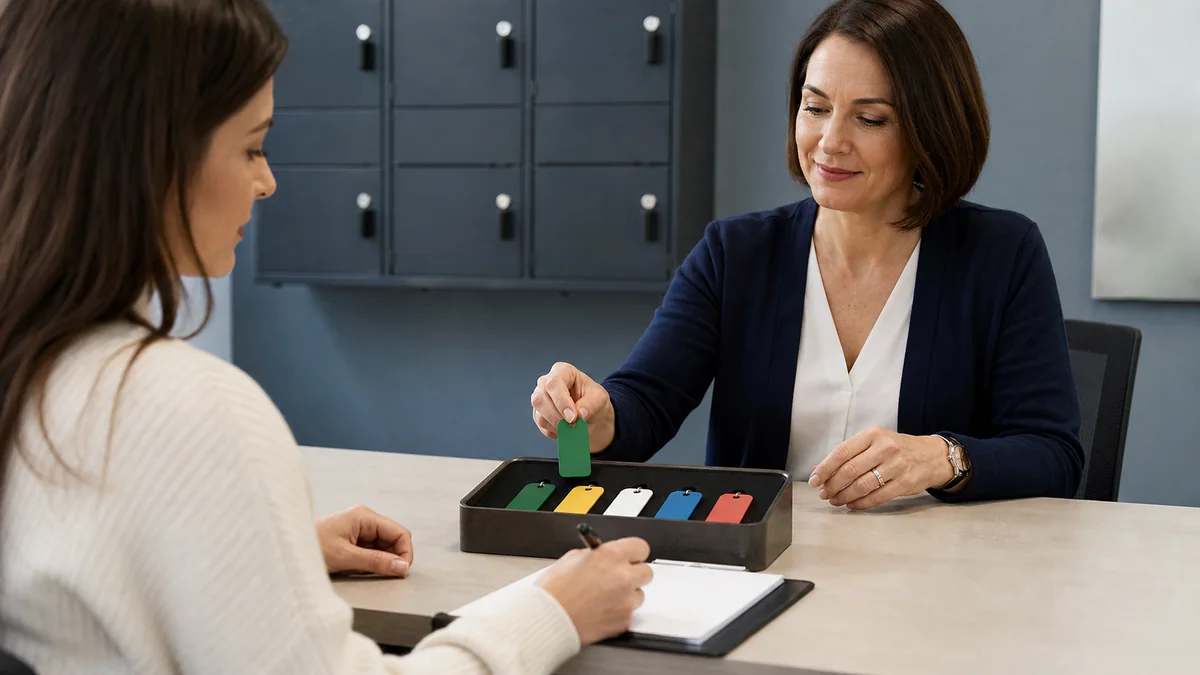
Create an access register before onboarding
Record the system, account owner, permission level, business purpose, approving person, and removal step. Set up individual accounts instead of sharing the owner’s login. Where a platform lacks suitable roles, decide whether the task can be redesigned before sharing broader access.
Review the register during the first week and after any scope change. This catches unnecessary permissions while the role is still easy to adjust.
Separate routine work from sensitive decisions
An assistant may update a CRM record without being allowed to export the entire database. They may prepare an invoice without changing bank details. They may schedule content without controlling the business owner’s primary account.
Write down prohibited actions and escalation triggers, including unusual download requests, account lockouts, suspected phishing, and requests to bypass MFA. Security improves when the person knows exactly when to stop and ask.

Plan for changes and offboarding
Access should change when responsibilities change. On the final day of a role, disable accounts, transfer owned files, rotate any unavoidable shared secrets, and confirm that local copies of business data are handled according to the agreement. Test the checklist before an urgent departure forces the team to improvise.
For a practical security baseline when a role needs systems access, see US Cybersecurity and Infrastructure Security Agency MFA guidance. The relevant virtual assistant data security controls should always match the access and responsibility of the role.
FAQs
Should a VA use my login?
Use individual accounts whenever the platform permits it. Shared credentials weaken accountability and make access changes harder to manage.
What is least-privilege access?
It means granting only the permissions required for the current work, rather than broad access just because it may be convenient later.
What should happen when a VA leaves?
Remove access promptly, rotate shared secrets where necessary, confirm the return or secure disposal of materials, and review the access register.
Make secure support part of normal operations
A VA relationship can be both useful and controlled when access follows the work. Rightjob’s Virtual Assistant Services can help businesses document responsibilities, establish sensible access boundaries, and maintain clearer handoffs.
For a wider view of the execution side of growth, explore Rightjob’s digital marketing services. When you are ready to turn a bottleneck into a practical support plan, book a consultation with Rightjob Solutions.