Direct answer: Backlinks can help people and search engines discover useful pages and can reflect genuine third-party recognition. They are not a guarantee of rankings or AI citations. The safest strategy is to earn relevant editorial links by publishing work that another credible source can independently verify and recommend.
TLDR: a safer backlink strategy
- Relevance and editorial judgment matter more than raw link counts.
- Links should serve readers, not exist mainly to manipulate rankings.
- Paid, automated, exchanged, or low-value links can create risk.
- Measure referral quality, qualified enquiries, brand mentions, and page performance—not only domain metrics.
What is a backlink?

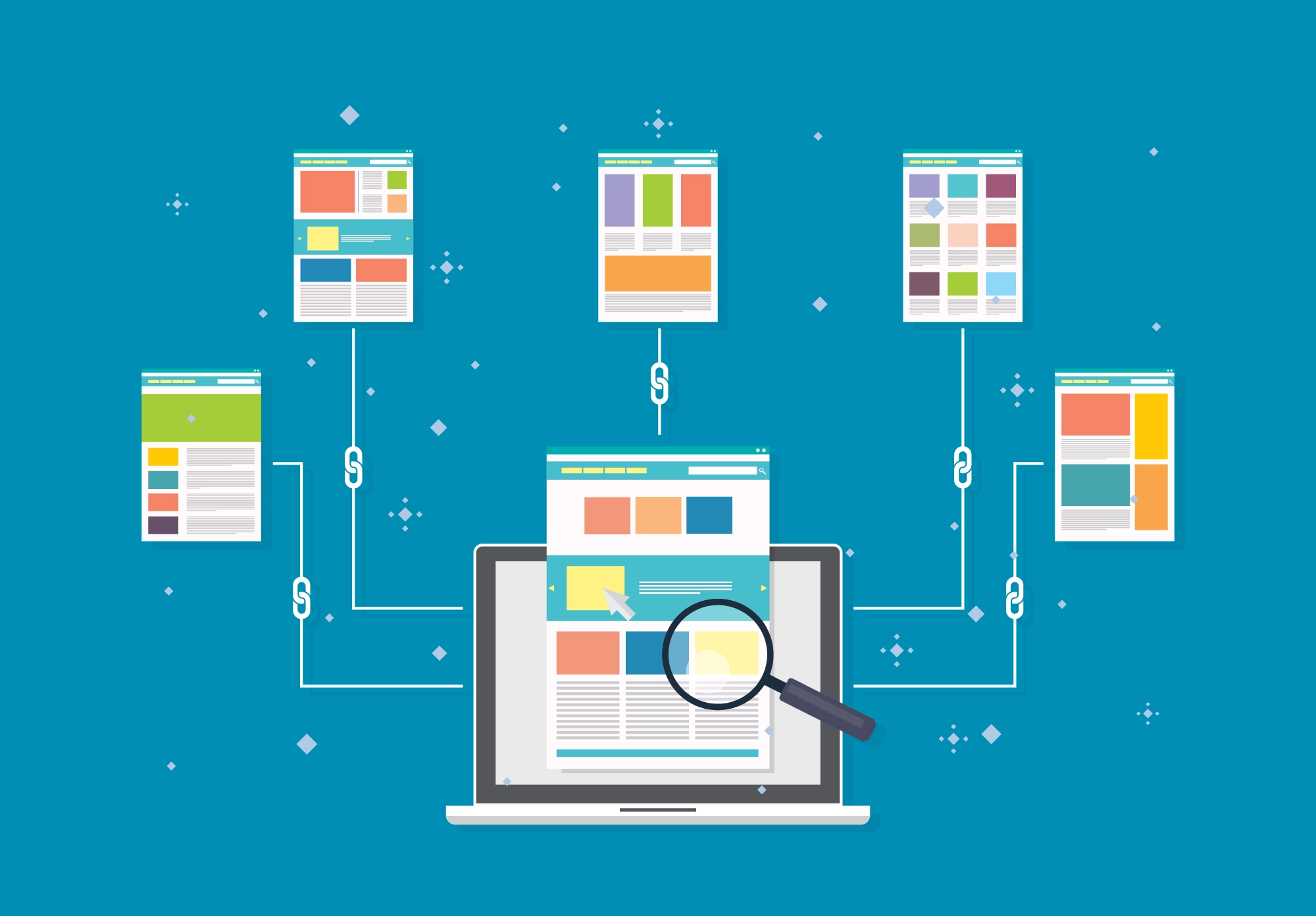
A backlink is a link from another website to a page on your site. A useful link can introduce a brand to a relevant audience, send referral traffic, help crawlers discover a page, and show that another publisher considered the resource worth referencing. Those benefits depend on context. A genuine citation from a relevant industry publication is different from a purchased placement on an unrelated directory.
What Google officially says about links
Google’s Search Essentials recommends helpful, reliable, people-first content and crawlable links. It does not promise that a particular number of backlinks will produce a particular ranking. Google’s spam policies define link spam as creating links to or from a site primarily to manipulate search rankings. Examples include buying ranking links, excessive exchanges, automated link creation, and low-value content made mainly to generate links.
Advertising and sponsorship are normal, but links associated with compensation should be qualified appropriately. Google’s guidance on qualifying outbound links explains when to use values such as sponsored, ugc, or nofollow.
Backlinks, authority, and AI answers

Third-party citations and mentions can contribute to a brand’s discoverability and reputation, but public evidence does not support treating backlinks as the single or primary mechanism used by every AI product. Search and answer systems use different retrieval, ranking, and generation methods, many of which are not fully disclosed. A responsible AEO or GEO plan therefore combines useful content, clear entities, technical accessibility, primary evidence, accurate citations, and legitimate third-party recognition.
How to earn links without manufacturing them
- Publish original evidence: anonymized benchmarks, transparent surveys, tested workflows, or first-hand case lessons with limitations.
- Create reference material: calculators, checklists, comparison frameworks, templates, or clear definitions that save an editor time.
- Contribute expertise: respond to legitimate journalist or industry requests only when the team has relevant experience.
- Maintain linkable pages: keep titles, dates, sources, authorship, and key facts current so existing citations remain useful.
- Promote selectively: contact organizations whose audiences genuinely benefit from the resource; do not automate mass requests.
How should backlink quality be evaluated?
Review the linking page’s topical relevance, editorial purpose, audience, placement, anchor wording, and potential to send qualified visitors. Also check whether the link was paid or user-generated and therefore needs an appropriate qualification. Third-party authority scores can be useful screening indicators, but they are not Google metrics and should not replace manual review.
Frequently asked questions
Are more backlinks always better?
No. A smaller number of relevant editorial links can be more useful than a large volume of unrelated or manufactured links. Raw count does not establish quality or causation.
Should a business buy backlinks?
Buying links that pass ranking credit creates policy risk. If a placement is advertising or sponsorship, disclose the relationship and qualify the link according to the platform’s guidance.
Do backlinks guarantee an AI citation?
No. A link or mention may support discovery and reputation, but no backlink can guarantee that an AI system will retrieve, quote, or cite a page.
Conclusion
Backlink work should be a by-product of useful, verifiable publishing and real industry relationships. Build resources worth citing, promote them to relevant audiences, disclose commercial relationships, and judge success by business and reader value rather than a promised ranking outcome. For a broader foundation, review Rightjob’s SEO guide.