
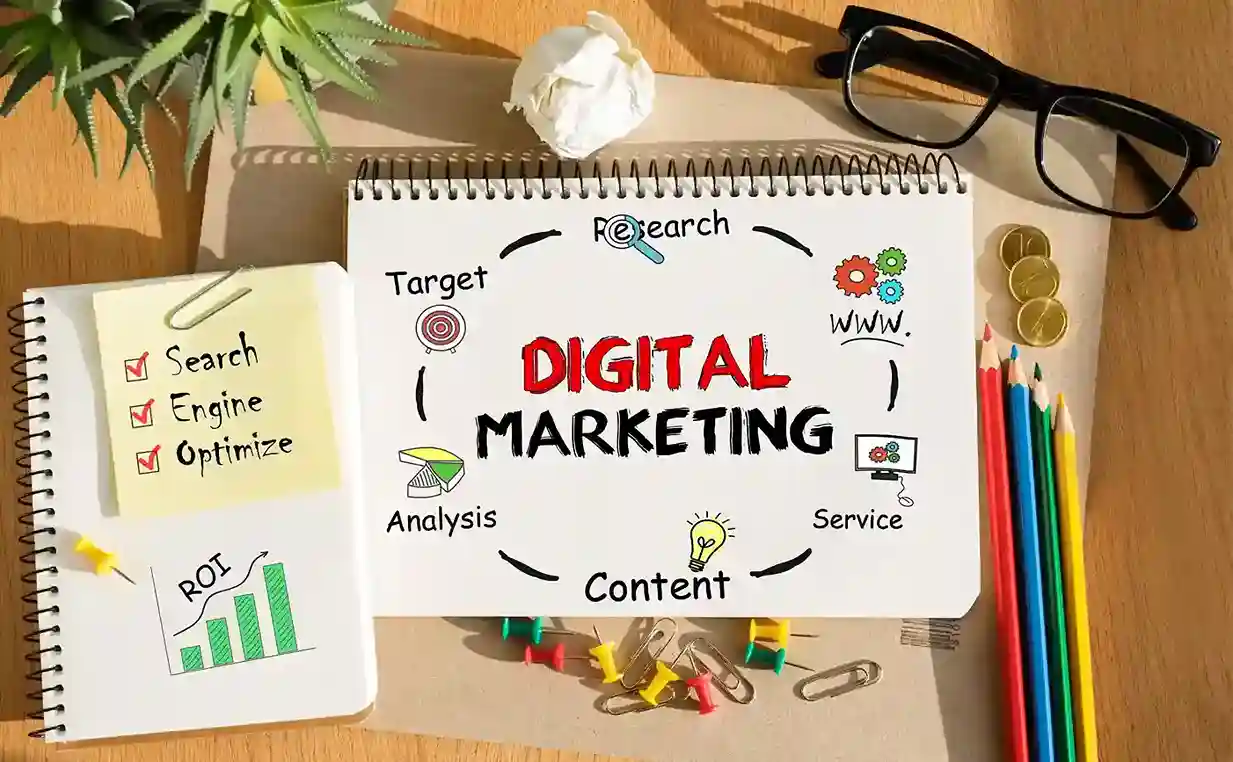
As of May 2026, understanding why digital marketing is essential for every business has transitioned from a supporting operational concern to a primary requirement for organizational survival. In a global economy defined by rapid technological shifts and fragmented consumer attention, a robust digital framework is the only method for maintaining consistent growth. Data indicates that Digital marketing is more powerful in 2026 than in any previous year, with digital channels now accounting for over 72 percent of overall marketing spend.
For the modern enterprise, a Digital strategy is the primary engine for business growth, offering levels of precision and scalability that traditional methods cannot replicate. Organizations that fail to adopt these technical standards face increasing customer acquisition costs and a total loss of visibility in generative discovery environments.
TLDR: The 2026 Essential Marketing Report
- Market Dominance: 82 percent of all purchase journeys now originate in a digital discovery environment.
- Cost Advantage: Digital channels offer a 62 percent lower cost-per-lead compared to offline alternatives.
- Financial Visibility: Advanced attribution models provide a clear Marketing ROI calculation in real time.
- Scalability: Modern systems leverage AI automation to manage multi-platform engagement with minimal manual oversight.
Precision Over Generalization: The Strategic Shift

The primary reason digital marketing is essential is the ability to target high-intent audiences with technical precision. There is a profound Digital marketing vs traditional marketing difference in 2026: traditional media provides broad, unverified reach, while digital strategy provides verified, intent-based engagement.
The following table illustrates the comparative advantages of a digital-first approach:
|
Performance Metric |
Traditional Media (Offline) |
Digital Marketing (2026) |
|
Audience Targeting |
Broad/Inaccurate |
Dynamic/Intent-Based |
|
Data Feedback |
Estimated/Delayed |
Real-Time/Granular |
|
Entry Barrier |
High Capital Requirement |
Low and Scalable |
|
Consumer Interaction |
Passive/One-Way |
Active/Participatory |
|
Discovery Model |
Push-Based |
Pull-Based (Search/AI) |
By mastering the Difference between SEO and SEM, businesses can control exactly when and where they appear in front of a prospective customer.
Navigating the New Discovery Landscape
In 2026, being “essential” means being discoverable across a fragmented web. The implementation of Search everywhere optimization is required to ensure a brand appears on TikTok, YouTube, Amazon, and AI assistants simultaneously. This is critical because Zero-click search behaviors have increased, where users get answers directly from search results without visiting a website.
To survive this shift, organizations must understand the SEO vs GEO vs AEO difference. A comprehensive strategy involves:
- Maintaining a baseline SEO (Search Engine Optimization) standard for technical health.
- Optimizing for AEO (Answer Engine Optimization) to capture voice and direct-answer traffic.
- Utilizing GEO (Generative Engine Optimization) to be cited as an authoritative source in AI-generated summaries.
Building Authority and Trust in a Synthetic Era
Digital marketing is also the primary tool for building consumer trust. Through a cohesive Content and social media marketing strategy, an organization can demonstrate its expertise. In 2026, search engines and AI models prioritize E-E-A-T (Experience, Expertise, Authoritativeness, and Trustworthiness).
Furthermore, Personal branding for SEO has become an essential for differentiating a business from generic, AI-generated “slop.” This human element, combined with the fact that Backlinking is still the secret sauce for success, ensures that the business remains a high-authority entity in its niche.
Finally, digital marketing allows for the ethical collection of Zero-party data, which is fundamental for personalization. By hosting this data within a secure Sovereign cloud and data privacy framework, the organization protects its reputation while delivering superior customer experiences.
Conclusion
Digital marketing is essential for every business in 2026 because it provides the only viable path to measurable, scalable growth in a technically complex environment. From the precision of intent-based targeting to the resilience offered by AI-driven automation, a digital-first strategy ensures that an organization remains visible, credible, and profitable.
The successful organizations of today are those that view digital marketing not as an expense, but as a technical infrastructure for revenue generation. By embracing the full spectrum of modern discovery, from SEO to generative answer engines, a business secures its position at the forefront of the 2026 global market.
Scaling an organization effectively requires a deep dive into Why digital strategy: engine business growth 2026 to ensure all marketing efforts align with long-term commercial goals.
To stay ahead of the competition, businesses must evaluate current trends and ask themselves Is digital marketing powerful: 2026 analysis to properly align their resources for maximum growth.
For personalized expert advice on how to implement these strategies effectively for your specific industry, message Rightjob Solutions today.
Let’s clear the path for your business success in 2026. View Our Services | Chat with us today for a free consultation